Introduction
Recent relaxation of sulfur dioxide (SO₂) emission norms by India’s Ministry of Environment, Forest and Climate Change (MoEFCC) has rekindled public and expert concerns about air quality and public health. This policy shift demands a closer look at the persistent and serious implications of SO₂ pollution.
1. What is SO₂ and why does it matter?
- Sulfur dioxide (SO₂) is a colorless, reactive gas formed primarily by burning sulfur-containing fossil fuels such as coal, oil, and diesel. In the atmosphere, it readily converts into sulfate aerosols and acid rain, contributing to PM₂.₅ pollution and environmental degradation.
- Exposure to elevated SO₂ levels leads to respiratory irritation, aggravation of asthma, bronchitis, cardiovascular risks, and even reduced lung development in children and infants. These harmful impacts intensify when SO₂ transforms into particulate matter
2. India as a global SO₂ hotspot
- India has long been recognized as one of the largest emitters of SO₂ worldwide, accounting for nearly 15–20% of global anthropogenic emissions, primarily driven by coal-based power generation.
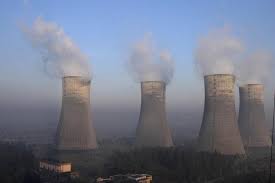
- Thermal power plants (TPPs) remain the chief culprits: in Punjab, for instance, coal-fired units emit approximately nine times more SO₂ annually than crop stubble burning does—despite public attention focusing mainly on agricultural fires.
3. Evolution of policy and the dilution of SO₂ standards
- In 2015, MoEFCC mandated the installation of Flue Gas Desulphurization (FGD) systems across coal-fired plants to curb SO₂ emissions.
- By 2025, less than 8–10% of units had actually installed FGDs due to high costs and limited capacity.
- In July 2025, MoEFCC exempted Category‑C TPPs (outside major urban zones) from FGD compliance.
- NITI Aayog recommended suspending FGD orders, citing low sulfur content in Indian coal and deeming SO₂ a lesser pollutant.
4. What experts and research indicate
- Public health experts and CREA warn that the exemptions could lead to increased air quality crises, especially in states like Maharashtra and Punjab. Research from IITs found no major air-quality gains from FGDs due to limited implementation. However, international examples show that strict SO₂ norms can drastically reduce air pollution and health hazards.
5. Policy implications and way forward
Why SO₂ remains strategically relevant:
- Contributes to secondary PM₂.₅ formation
- Even low concentrations harm respiratory and cardiovascular health
Recommendations:
1. Reinstate and enforce stringent SO₂ emission norms.
2. Scale up domestic pollution-control technology.
3. Integrate SO₂ and PM₂.₅ strategies with climate goals.
4. Improve CPCB and state-level monitoring.
5. Strengthen NCAP implementation.
Conclusion
- Recurring concerns about SO₂ emissions signify a continuing public health and environmental crisis. India’s rollback of emission norms risks compromising air quality targets. A robust SO₂ control strategy is essential to safeguard public health and the environment.